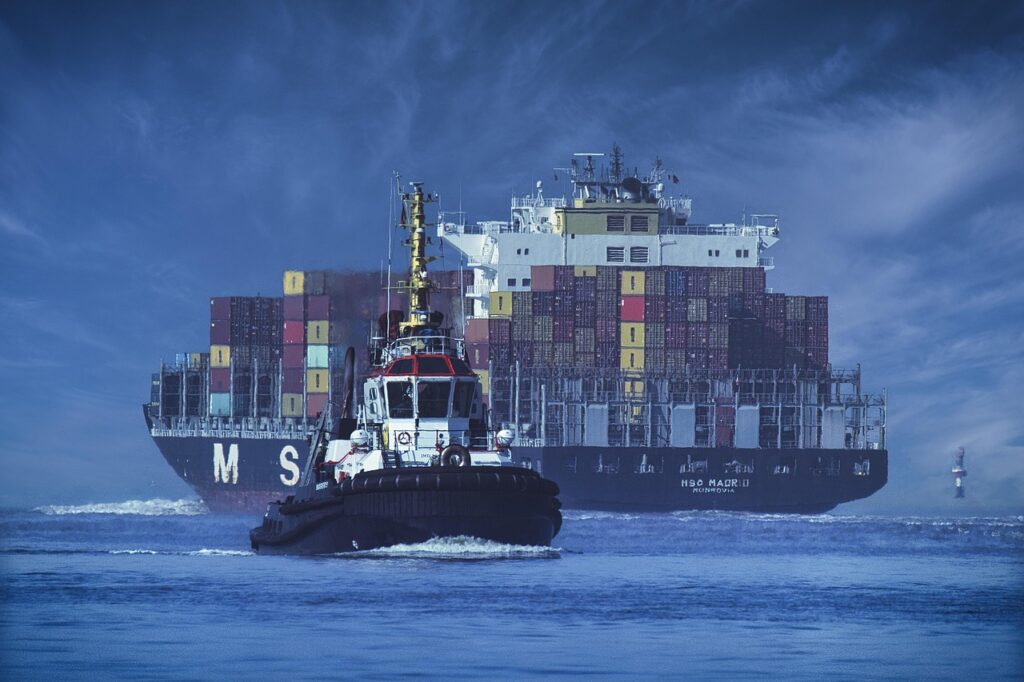

Britain is an island nation with ports around its coast. We should make more of that geography to move freight between UK regions. For suitable routes, carrying bulk materials such as aggregates and waste by sea could take lorries off our roads and free up capacity on the rail network. But the vessels carrying that freight still largely run on fossil fuel. The opportunity is to develop coastal freight routes and low-carbon fuel supplies together.
Coastal shipping: the place to start
Coastal and short-sea services tend to run to regular patterns and call at a manageable number of UK ports. That makes them well suited to proving low-carbon fuels at commercial scale, through green shipping corridors where fuel supply, vessels and port infrastructure are developed together.
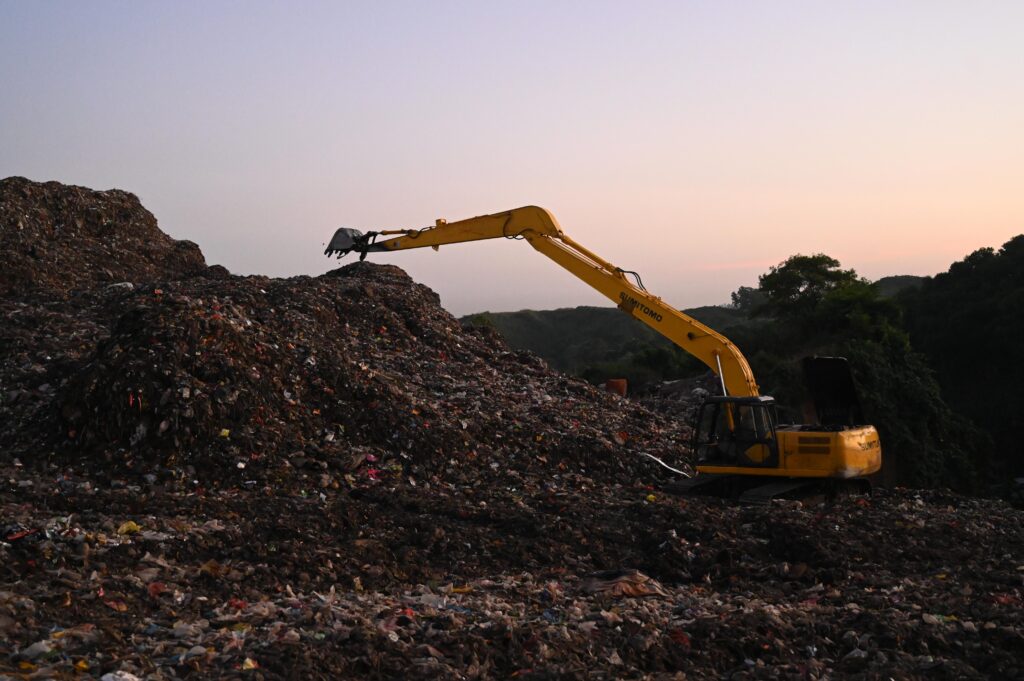
Aggregates could travel in one direction, with suitable biogenic waste carried back for conversion into renewable gas and ultimately bio-methanol. That creates the prospect of linking domestic freight, waste treatment and maritime fuel production within the same supply chain.
Methanol is well placed for this role. It is liquid at ambient temperature and can be stored and handled using established practice. According to DNV, more than 450 methanol-capable vessels were operating or on order worldwide by December 2025 [1]. The ships are coming. The question is whether a reliable supply of low-carbon methanol will be ready to meet them.
From waste to renewable gas
This is where the origin of the fuel matters. Most methanol today is made from fossil gas or coal. Our proposed route uses biogenic waste as a starting point, focusing on materials that are difficult to treat or put to good use.
At Equisera, our Rising Pressure Reformer (RiPR) handles the first stage. Using supercritical water reforming (SCWR), in which water is heated and pressurised beyond its critical point, RiPR breaks down wet biogenic wastes into a renewable gas containing methane and hydrogen. Because the process uses water as its medium, the waste does not need to be dried first.
From gas to fuel
The renewable gas then passes through three established industrial steps. First, electrically heated steam methane reforming converts it into synthesis gas, a mixture of hydrogen, carbon monoxide and carbon dioxide. Using electricity for heat, rather than burning fossil fuel, helps keep emissions low, particularly when that electricity is renewable. Second, the synthesis gas passes over a catalyst, where it combines to form methanol. Finally, distillation removes water and impurities to produce methanol of the quality vessels require.
RiPR’s role is to bring difficult-to-treat wet wastes into this fuel supply chain without needing to dry them first.
Part of a system
We are working with specialist partners to develop a complete route from waste to fuel, bringing RiPR together with reforming, methanol synthesis and distillation technologies. The next step is to demonstrate how the integrated system performs at scale, including its reliability, cost and lifecycle emissions.
The opportunity goes beyond decarbonisation. Making maritime fuel in Britain from UK waste could strengthen energy security, reduce reliance on fossil marine fuels and support British engineering and manufacturing. It could also reduce exposure to fossil fuel price volatility, although production costs and commercial performance will need to be demonstrated.
The road ahead
We believe suitable UK coastal routes offer a practical place to start. Developing fuel supply, vessels and bunkering together around those routes would allow the whole system to be demonstrated in commercial service. Technology alone will not be enough. Fuel producers need confidence in future demand, shipowners need dependable fuel supplies, and ports need confidence that bunkering facilities will be used. Policy should reward verified reductions in lifecycle emissions and help bring these commitments together.
Much of the downstream technology already exists. The task now is to integrate it with new waste conversion processes and prove that the complete system can deliver reliably and commercially, from waste to wake.
References
[1] DNV, “DNV report: Methanol as marine fuel at high readiness level, but adoption hurdles remain”, December 2025.