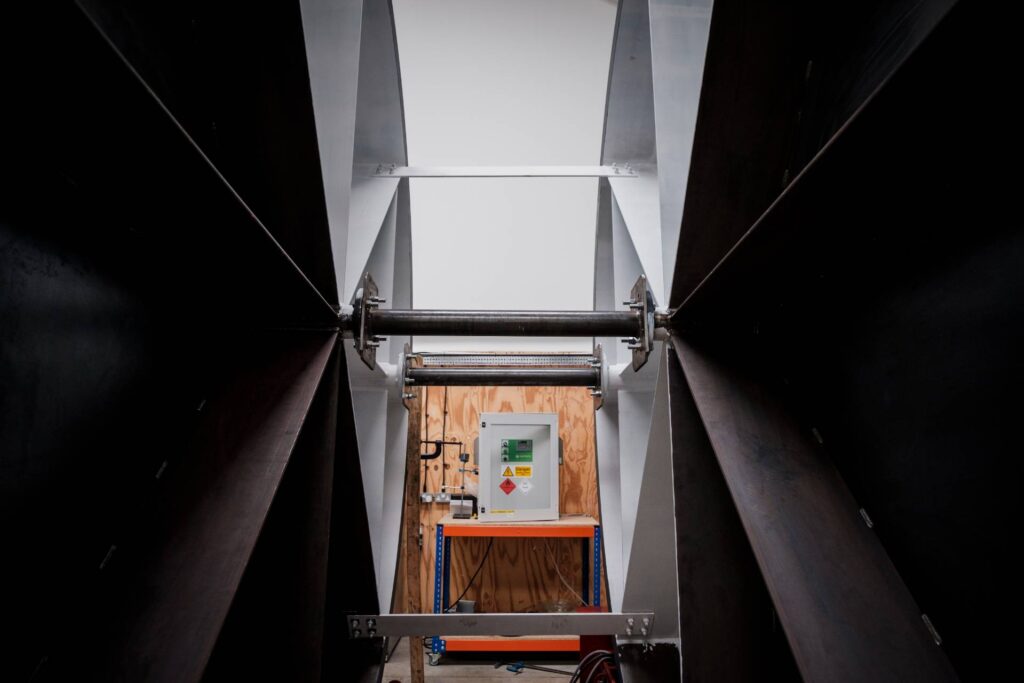
The Opportunity

OPPORTUNITY
A clear pathway
Industry must decarbonise now, but solutions only scale when they compete with fossil fuels on cost and reliability.
RiPR meets that challenge by converting low-cost biogenic feedstocks into biomethane that can drop straight into existing gas infrastructure, delivering immediate emissions reduction without system disruption. The platform also provides a clear pathway to carbon-negative hydrogen as markets and infrastructure evolve, enabling customers to decarbonise today while future-proofing their energy supply.
THE SOLUTION
A drop-in fuel for immediate decarbonisation
RiPR produces biomethane that can directly replace natural gas across existing pipelines, boilers and turbines, enabling immediate emissions reduction without system change. This drop-in approach allows customers to decarbonise industrial heat, power and gas networks using assets they already own, while maintaining reliability and performance.
Alongside biomethane, RiPR also produces hydrogen, providing a clear pathway to scale hydrogen use over time as markets and infrastructure mature, without locking customers into a single energy pathway.

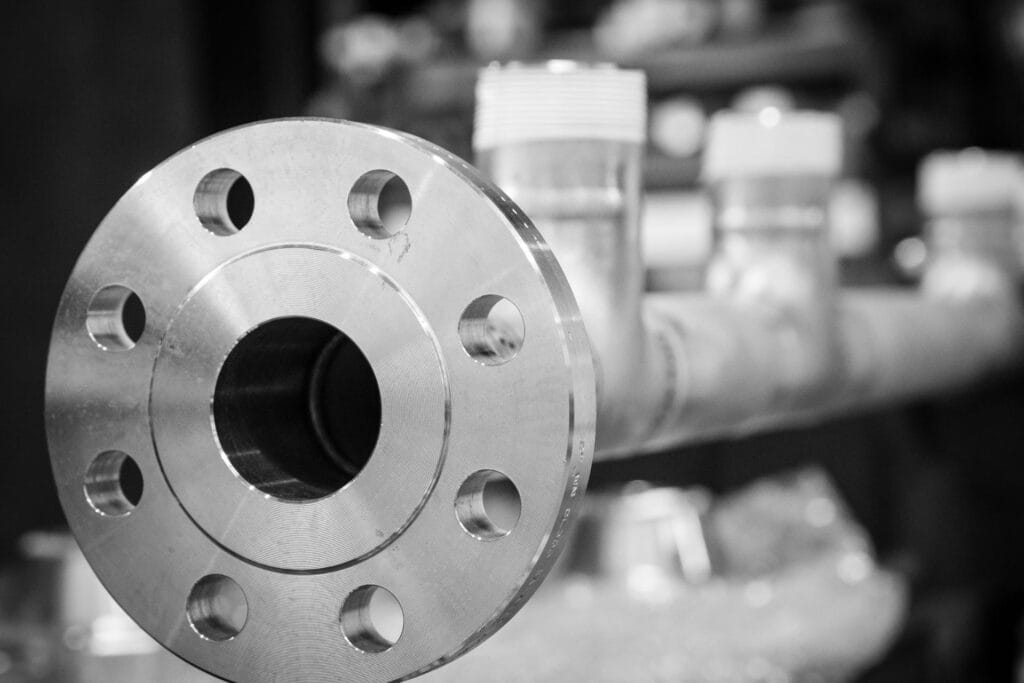
MUTIPLE OUTPUTS
A flexible gas platform
RiPR is designed to produce multiple clean energy outputs from a wide range of biogenic feedstocks. From one integrated system, RiPR delivers:
- Biomethane for immediate natural gas replacement
- Hydrogen for future low-carbon fuel demand
- Captured carbon dioxide
- Biochar for long-term carbon sequestration and commercial use
This flexibility allows customers to decarbonise at pace today while future-proofing their energy supply for a low-carbon economy.
The path to carbon negative
The current path sees cumulative emissions continuing to grow. This is where our RiPR technology is radically different. Over the 30-year lifetime of a RiPR unit combined with carbon capture, it will continue to remove carbon from the atmosphere, very quickly entering negative territory.
With more hydrogen and biomethane production meaning more carbon removal, this means that greater consumption is better – not worse – for emissions. Use the calculator below to see how your emissions change based on the path you choose.
CIRCULAR ECONOMY
Turning waste into energy and value
Across the economy, vast quantities of biogenic waste are landfilled or incinerated each year, creating emissions and disposal costs. RiPR can transforms these waste streams into valuable products. Wet, mixed materials that are difficult for other technologies to process become reliable feedstocks for clean gas production. For waste operators, this reduces disposal costs and emissions. For energy users, it provides access to low-cost, carbon-negative fuels.
RiPR units can be deployed at recycling facilities, industrial sites, farms or energy hubs, eliminating waste while generating energy locally. Feedstock does not need to be co-located, waste can be sourced through existing supply chains, giving customers flexibility in how they deploy the technology.
LAND STEWARDSHIP
Strengthening regenerative land use
RiPR integrates naturally with regenerative farming systems, using crops such as herbal leys that improve soil health and biodiversity while providing a sustainable energy feedstock.
Farmers benefit from improved land resilience, environmental subsidies and new revenue streams. Biomethane can be used directly on the farm for heat, power or machinery, while biochar is returned to soils to enhance fertility and permanently store carbon, closing the loop between land stewardship and carbon-negative energy without competing with food production.


MULTIPLE OUTPUTS
Resilient economics
RiPR produces four high-value outputs, each serving established and growing markets. This creates multiple revenue streams from a single system, reducing exposure to any one commodity price and strengthening project economics.
For customers, this means greater resilience and flexibility. For investors, it means diversified revenue, reduced risk and clear routes to profitability. Early demand is already reflected in letters of intent for future RiPR units.
BY 2029
Scalable and ready to deploy
RiPR is engineered for industrial deployment, with a pilot plant launching in 2026 and modular commercial units entering production from 2029. By 2030, systems will be operating across industrial, waste and infrastructure settings, replacing fossil fuels at scale.
By delivering biomethane at parity with natural gas and hydrogen at £1–£5 per kilogram using waste and regenerative feedstocks, RiPR offers a practical route to decarbonising gas with immediate impact and long-term value.