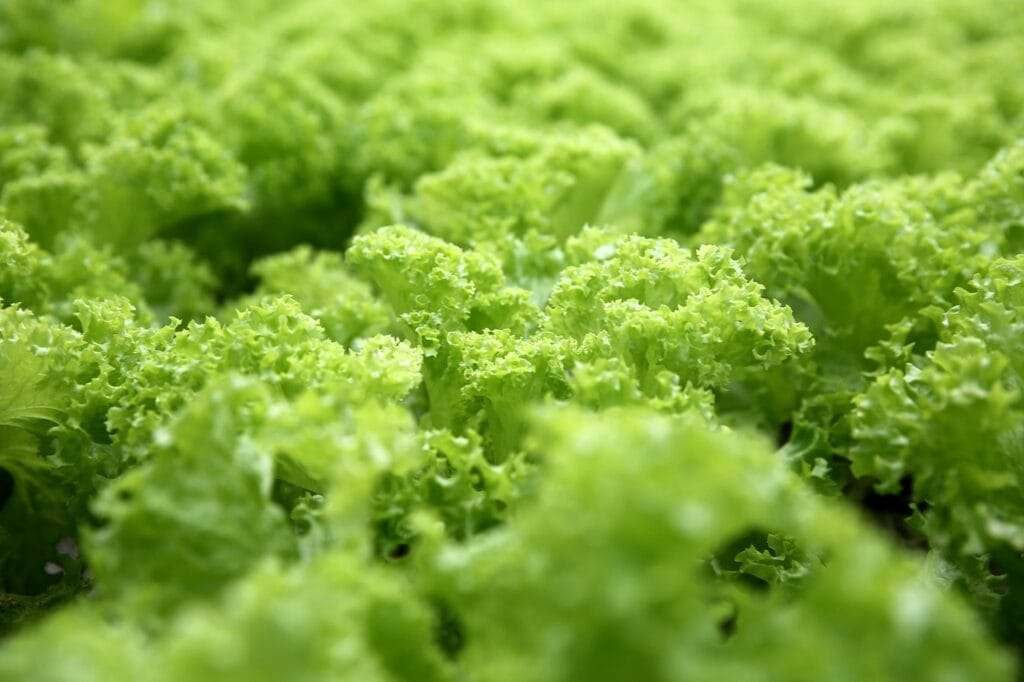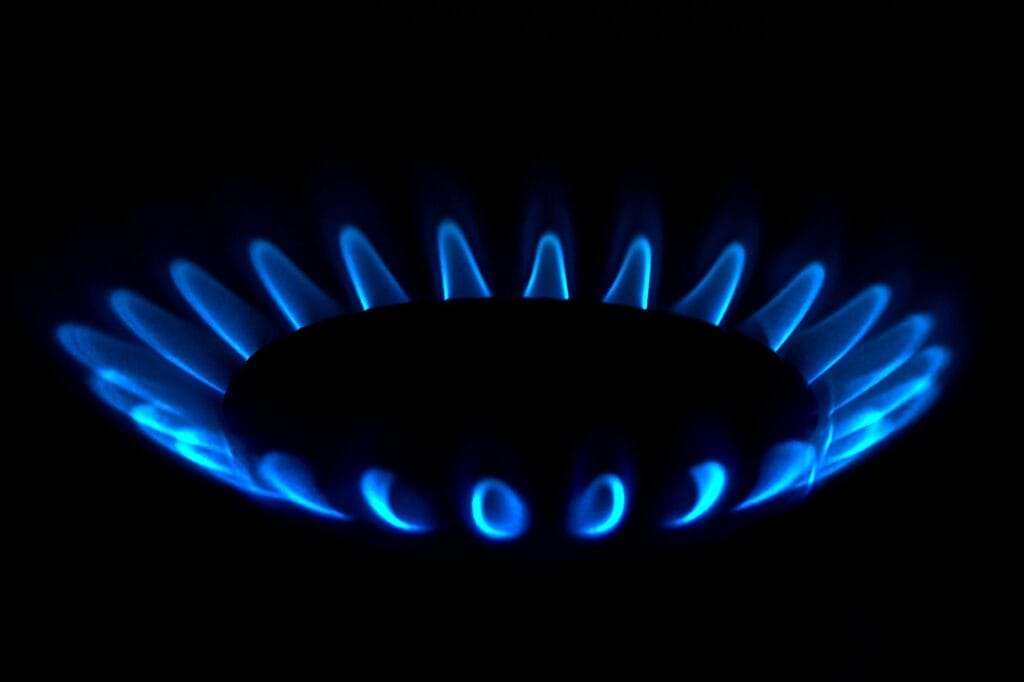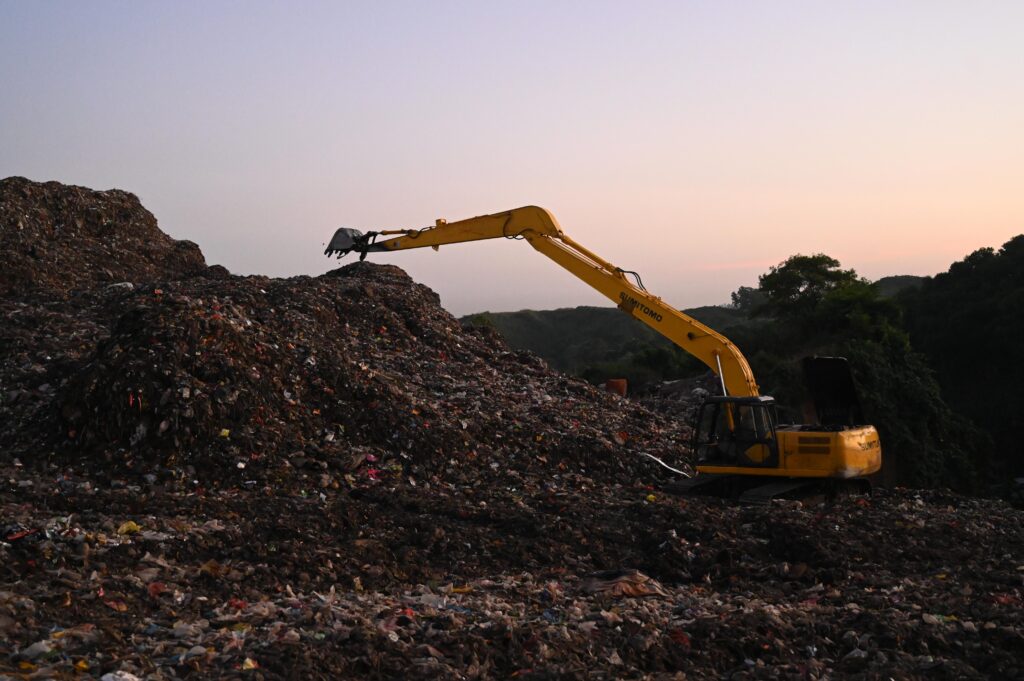

It is in our bins, our barns and our factories.
Two numbers tell you most of what you need to know about Britain’s energy problem, and the opportunity it conceals.
44%. That is the share of the UK’s energy that was imported in 2024. Britain has been a net energy importer since 2004, more than two decades. [1]
More than 40 million tonnes. That is the commercial and industrial waste the country generates each year, before counting the millions of tonnes of food waste, farm residues and forestry by-products produced alongside it. [2]
The first number is a dependency. The second is an opportunity hiding in plain sight. At Equisera, we believe they are two sides of the same coin, and that the technology to connect them could reshape how Britain powers itself.
Why energy security affects you
We felt it in 2021 and 2022, when global gas prices surged and bills rose sharply for households and businesses across the country. We are feeling it again amid renewed instability in the Middle East. We will feel it again.
The reason is straightforward: Britain still runs on imported gas. Natural gas meets around 35% of total UK energy demand, heating our homes, powering industry and backing up the electricity grid. [3] But North Sea production is in long-term decline, so we lean ever more heavily on pipeline gas from Norway and tankers of liquefied natural gas from countries such as the United States and Qatar. [4]
When our energy comes from elsewhere, our bills are tethered to events we cannot control. And every shipment of imported gas represents jobs, investment and economic value created somewhere other than Britain.
The resource we throw away
Here is what most people overlook. The food waste in your bin, the straw left in a farmer’s field, the sludge from an industrial plant: all of it holds stored solar energy, captured by plants through photosynthesis. Britain’s waste is, in other words, an energy resource, and a vast one. Today most of it is landfilled, inefficiently incinerated or treated, at considerable expense, as a liability.
The feedstock has never been the problem. The problem has been finding a practical, economical way to release the energy held within it, particularly for the wet, mixed and difficult waste that conventional technologies struggle to process.
That is the problem we built Equisera to solve.
Our technology: RiPR
RiPR, our patented Rising Pressure Reformer, uses supercritical water, water heated and pressurised beyond its ordinary limits, to break down wet biogenic materials and waste, converting them into four valuable products:
- Biomethane, a renewable gas that can be injected straight into the existing grid.
- Hydrogen, a clean fuel for industry and local energy systems.
- Captured carbon dioxide, separated within the process, opening a route to carbon removal.
- Biochar, a stable, carbon-rich material with agricultural and industrial uses.
Independent life-cycle assessment indicates that the process has the potential to be carbon negative, removing more carbon from the atmosphere than it emits across its full operating cycle.
What sets RiPR apart
- It accepts almost anything. Unlike many waste-to-energy technologies, RiPR is designed to handle difficult, wet and mixed feedstocks without extensive pre-treatment. Waste varies from site to site and season to season; RiPR is built to adapt.
- It goes to the waste. Material of low value is not worth hauling across the country, so RiPR is designed for distributed deployment, on farms, at industrial sites and within waste-processing centres.
- It works with the infrastructure Britain already has. Renewable methane can flow into the existing gas grid and hydrogen can supply industrial users, with no need to wait decades for new energy networks to be built.
- Its economics are designed to stand on their own. Decarbonisation scales only when it pays. Our techno-economic analysis indicates that RiPR has the potential to reach cost parity with fossil fuels at commercial scale, removing the single greatest barrier to adoption.
Who benefits
Businesses can turn unavoidable waste into energy, cutting disposal and fuel costs at once. Waste operators gain a means of converting low-value material into several revenue-generating products. Farmers can monetise crop residues while contributing to home-grown energy.
And Britain gains the larger prize: more energy produced at home, less dependence on imports, stronger rural economies and a way to decarbonise sectors that are genuinely hard to electrify.
A different way to think about energy security
Much of the national debate concerns building new things: offshore wind farms, nuclear stations, transmission lines, hydrogen networks. All of them matter. But energy security is not only a question of new infrastructure. Sometimes it is a question of seeing what we already have in a different light.
Britain already produces the feedstocks. Britain already owns the gas infrastructure. Britain already has the industrial demand. The missing piece has been a technology to connect them economically and sustainably. That is what we are building.
The UK’s next source of clean, secure energy may not lie hidden beneath the North Sea. It may already be above ground, in our bins, our barns and our factories.
Be part of it
We are inviting investors, partners and supporters to join us at the start of this journey. Whether you work in waste, agriculture, industry or energy, or simply believe that Britain should be turning its waste into power, we would like to hear from you.
Visit equisera.com to learn more or register your interest.
References
[1] Department for Energy Security and Net Zero (2025). UK Energy in Brief 2025. Available at: https://www.gov.uk/government/statistics/uk-energy-in-brief-2025
[2] Department for Environment, Food and Rural Affairs (2025). UK Statistics on Waste. Available at: https://www.gov.uk/government/statistics/uk-waste-data
[3] Department for Energy Security and Net Zero (2025). Digest of UK Energy Statistics (DUKES) 2025: Chapter 4 – Natural Gas. Available at: https://www.gov.uk/government/statistics/natural-gas-chapter-4-digest-of-united-kingdom-energy-statistics-dukes
[4] Department for Energy Security and Net Zero (2025). Statutory Security of Supply Report 2025. Available at: https://www.gov.uk/government/publications/statutory-security-of-supply-report-2025