The Difference
A RADICAL DISRUPTOR
A system designed to do more
Most technologies in this space are built around a single outcome. Anaerobic digestion produces biomethane. Electrolysers produce hydrogen. RiPR is fundamentally different.
RiPR is a flexible gas conversion platform that produces both biomethane and hydrogen from the same process, alongside captured carbon dioxide and biochar. This gives customers immediate flexibility across multiple energy markets, while creating multiple commercial outputs from a single system.
Rather than forcing users to commit to one fuel pathway, RiPR enables decarbonisation today while preserving optionality for the future.
How is Equisera different?
Many existing approaches producing either biomethane or hydrogen face significant technical and commercial challenges. Our RiPR technology takes a radically different path, overcoming many of these barriers by offering a cleaner, more flexible solution that can produce both hydrogen and biomethane, whilst capturing carbon.
DROP-IN TECHNOLOGY
Built for real-world operation
RiPR is engineered for industrial operation using a wide range of wet, mixed biogenic feedstocks, including materials that other technologies struggle to process.
The system does not rely on intermittent renewable electricity, large volumes of fresh water, or scarce catalyst materials. It produces low levels of tars and contaminants, keeping downstream processing simple, robust and cost-effective.
These design choices make RiPR reliable, efficient and well suited to deployment in industrial environments.
THE CARBON CYCLE
How carbon is captured
Carbon in biogenic materials originates as atmospheric carbon dioxide, absorbed through photosynthesis and stored in biomass. In most processes, this carbon is eventually released back into the atmosphere when the material decomposes or is burned.
RiPR interrupts this cycle in two ways. Depending on feedstock and operating conditions, carbon is captured either as biogenic carbon dioxide within the process gas stream, or retained as solid carbon in the form of biochar. Captured carbon dioxide can be purified for industrial use or permanently stored, while biochar provides durable carbon sequestration that can be returned to soils or used in construction and industrial materials.
By capturing carbon in both gaseous and solid forms, RiPR removes carbon from the active carbon cycle, enabling energy production that reduces atmospheric carbon dioxide rather than adding to it.
A UNIQUE OPPORTUNITY
Proven, not theoretical
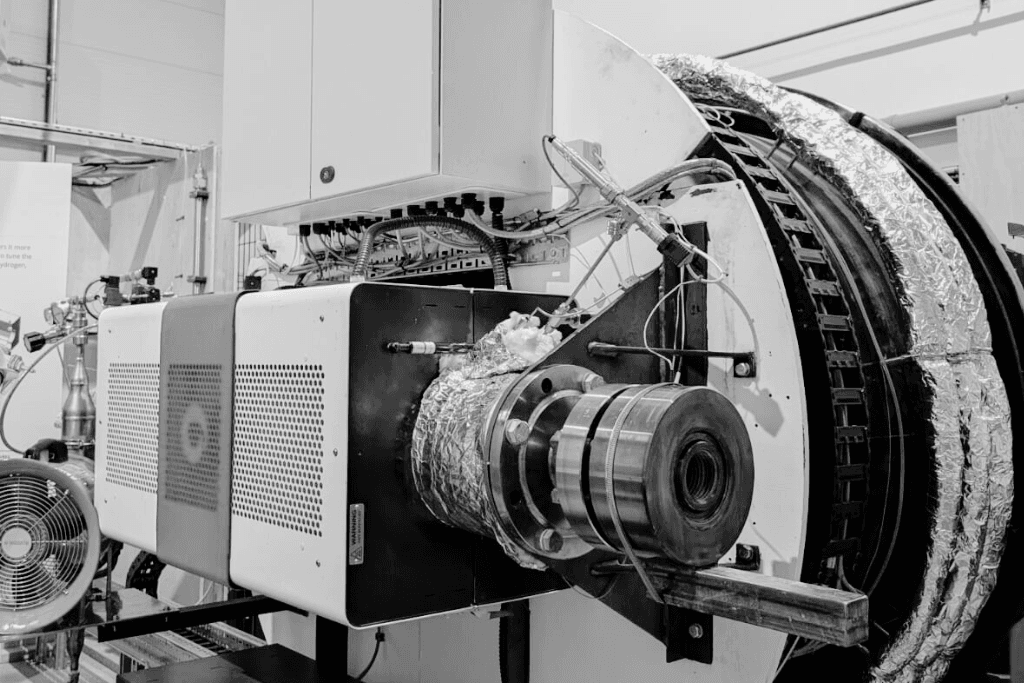
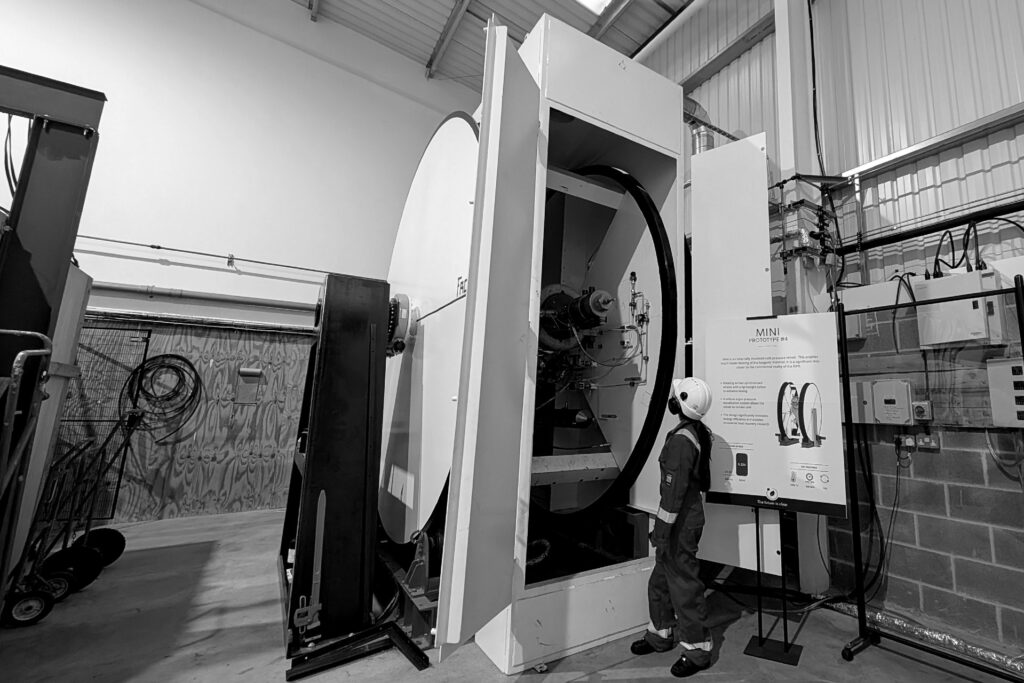
RiPR is well beyond the concept stage. Four successful prototypes have already been built, advancing the technology to Technology Readiness Level 6 using real biogenic feedstocks under operational conditions.
Our pilot plant, supported by Innovate UK, goes live in 2026, enabling continuous validation, independent testing with CPI and large-scale feedstock trials.
From 2029, modular RiPR units ranging from 1 MW to 25 MW will enter commercial production from our Eastington facility, supporting deployment across industrial, waste and infrastructure settings.