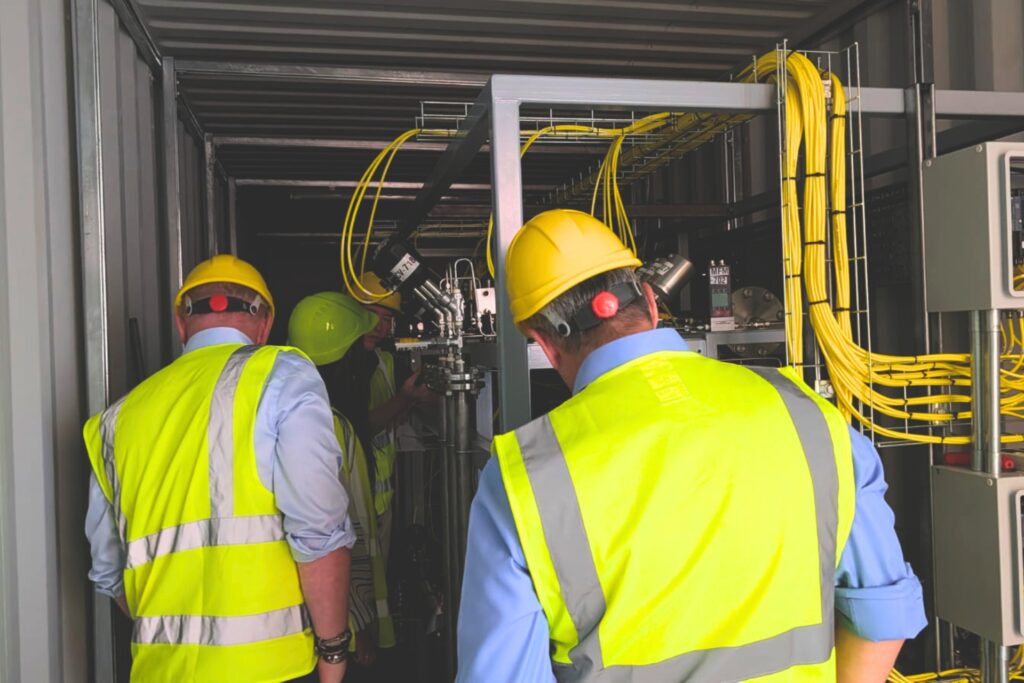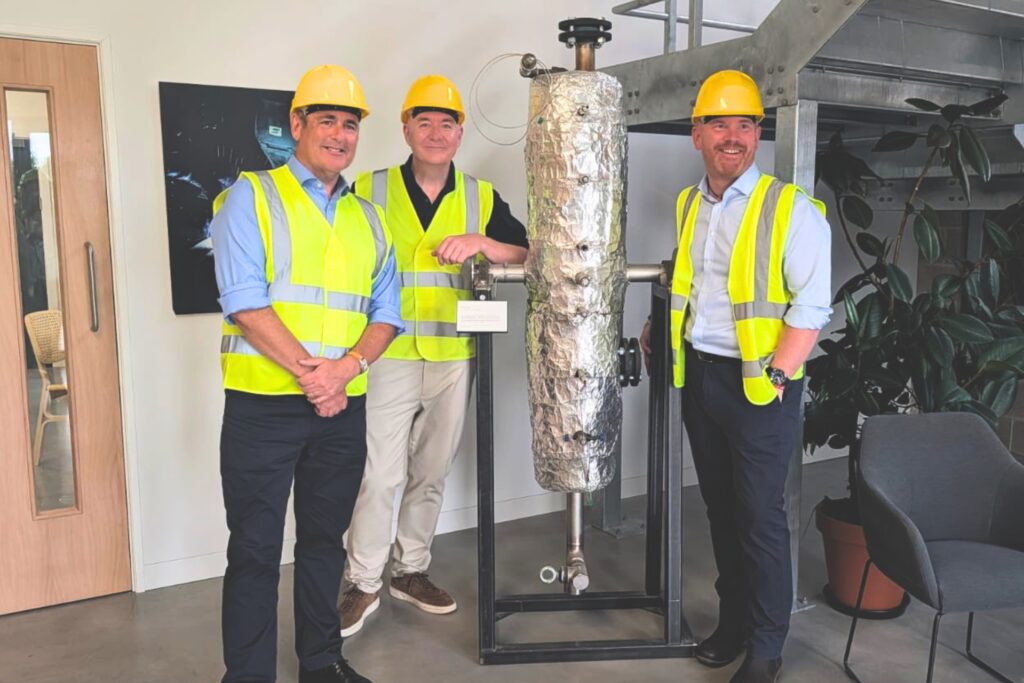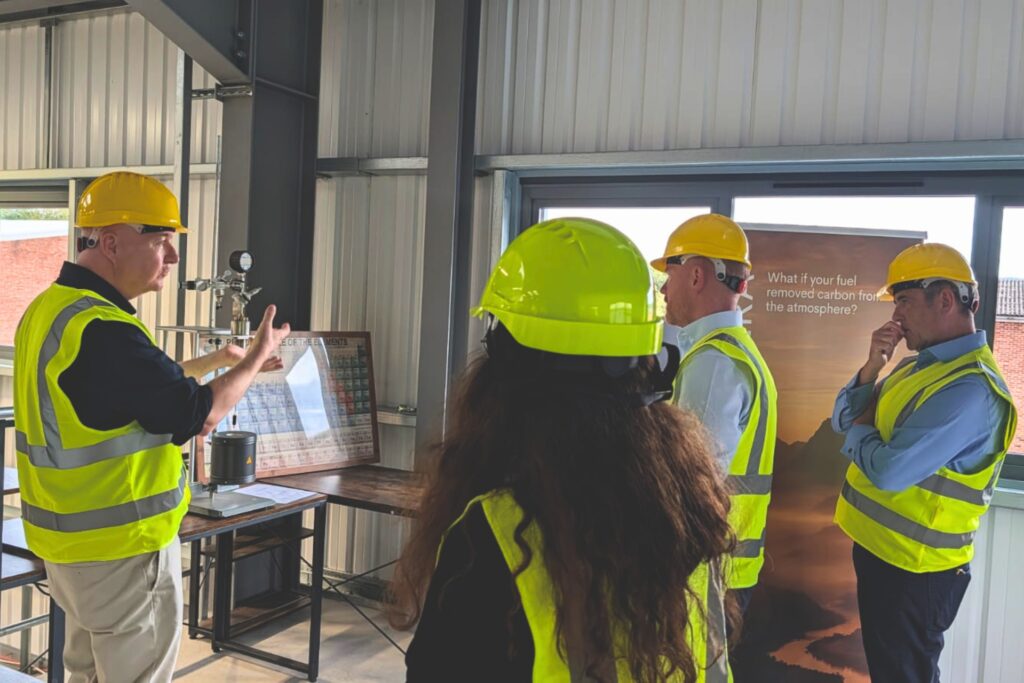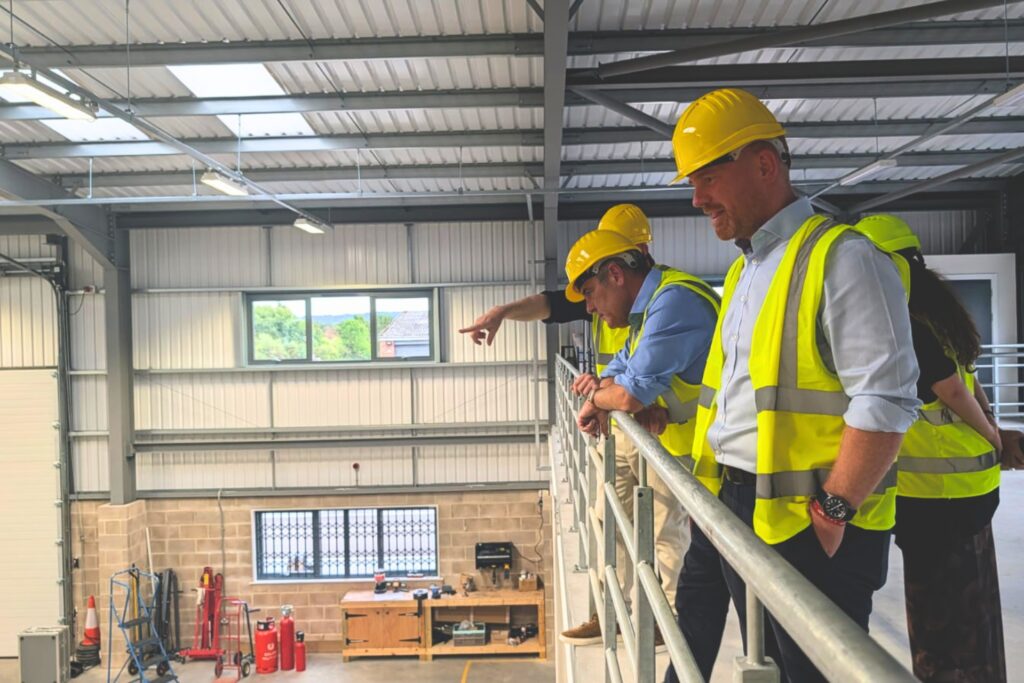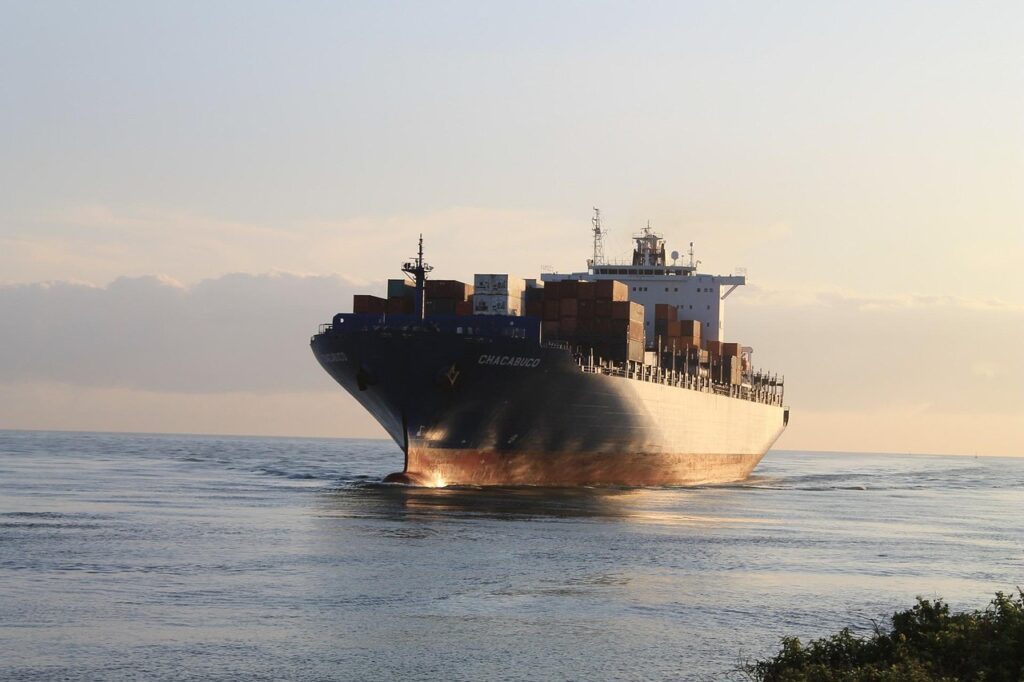

Equisera is delighted to announce that it is working with VertomCory, the global maritime services group, to explore bio-methanol supply for the shipping sector, with a focus on making low-carbon marine fuel in Britain from UK biogenic waste.
Why bio-methanol
Shipping is under growing pressure to decarbonise. Since July 2026, voyages between UK ports have been covered by the UK Emissions Trading Scheme, and International Maritime Organization member states are expected to return in December to a decision on a global fuel standard and carbon price for shipping.
Methanol is one of the more practical alternative fuels for the sector. It is liquid at ambient temperature, can be handled using established practice and already runs in commercially available dual-fuel engines. According to DNV, more than 450 methanol-capable vessels were operating or on order by December 2025. To deliver a real emissions benefit, however, it needs to come from a renewable source, and supply of renewable methanol is still at an early stage.
Starting with UK coastal routes
The two companies see coastal and short-sea shipping as a practical place to start. These services tend to run to regular patterns and call at a manageable number of UK ports, making them well suited to proving low-carbon fuels at commercial scale through green shipping corridors, where fuel supply, vessels and bunkering infrastructure are developed together. Making maritime fuel in Britain from UK waste could also strengthen energy security, reduce reliance on fossil marine fuels and support British engineering and manufacturing.
“Our collaboration with Equisera reflects VertomCory’s determination to turn the ambition of maritime decarbonisation into practical, commercially scalable action. By bringing together Equisera’s innovative RiPR technology, which converts waste into the clean gases needed for bio-methanol production, with our maritime, logistics and customer expertise, we have an opportunity to help establish a credible UK supply chain for lower-carbon marine fuel and demonstrate how meaningful partnerships can accelerate the transition to cleaner shipping. We are proud to support this project and its potential to create a replicable pathway for bio-methanol, strengthening both the resilience and sustainability of the maritime sector.”
Peter Wilson, Group CEO, VertomCory
“Shipping needs low-carbon fuels it can rely on, and the UK already has a valuable resource in its biogenic waste. Our RiPR technology turns that waste into the hydrogen, biomethane and carbon dioxide that bio-methanol production depends on. Working with VertomCory, with their deep understanding of how ships are fuelled and operated, gives us the opportunity to explore how that can become a secure, home-grown fuel supply for UK shipping, strengthening energy security and supporting British engineering along the way.”
James Milner, CEO, Equisera
What VertomCory and Cory Brothers do
VertomCory is a global maritime services group offering port agency, husbandry, bunker fuels and project support to shipowners and operators across sectors including LNG, tankers, offshore and renewable energy, with a network spanning more than 75 locations worldwide. Cory Brothers, VertomCory’s freight forwarding and logistics arm, has been a trusted supply chain partner for over 180 years, offering freight forwarding, customs clearance, warehousing and liner agency services around the world. Together, the group has reach across the shipping industry, from cargo movement through to vessel operations and fuel supply.
What Equisera does
Equisera has developed RiPR (Rising Pressure Reformer), a patented technology that uses supercritical water reforming (SCWR) to convert a wide range of wet biogenic waste materials into clean gases, including hydrogen, biomethane and captured carbon dioxide, along with biochar.
RiPR forms the first stage of a complete route from waste to fuel. These gases can then be passed through established industrial steps to produce bio-methanol of the quality vessels require. Equisera is working with specialist partners to bring these technologies together, and RiPR’s flexibility across feedstock types is central to making bio-methanol production both greener and more affordable. The next step is to demonstrate how the integrated system performs at scale, including its reliability, cost and lifecycle emissions.